Champagne Lost Nearly Half Its Harvest. What that Means for New Year’s Eve
Growers say the early, hot harvest lifted grape sugar levels enough to allow wines from the crop to top 13% alcohol.
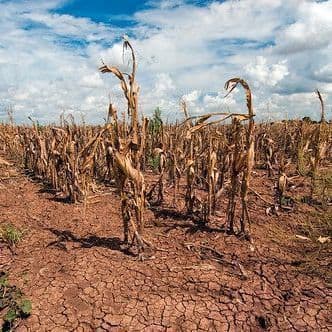
- Frost, hail, and drought cut the 2026 Champagne harvest by 48% from 2025 levels, prompting the Comité Champagne trade group to cap yields at 19,400 pounds per acre.
- Severe weather, including spring frosts and extreme heat, impacted the growing season; the French weather service notes these conditions would have been nearly impossible without climate change.
- Lori Russo, director of the Bureau du Champagne USA, reported high quality in the 2026 harvest, with alcohol and acidity levels comparable to legendary vintages from 1921, 1947, and 1959.
- American hosts face no shortages for New Year's Eve celebrations because Champagne requires at least three years of aging, so current store bottles originate from earlier harvests.
- While a 15% tariff applies to European Union wines entering the United States through 2029, Bureau of Labor Statistics data shows store wine prices dipped 0.7% from last year.
20 Articles
20 Articles
 The Norfolk Daily News


Champagne lost nearly half its harvest. What that means for New Year’s Eve
With this year’s Champagne harvest at nearly half of last year’s size, will there be a Champagne shortage for New Year’s Eve? There are toasting ... Read moreThe post Champagne lost nearly half its harvest. What that means for New…

Champagne may exceptionally exceed 13% alcohol. A decree published on Wednesday in the Official Journal authorizes, under certain conditions, wines from harvest 2026 to exceed this ceiling.

An unprecedented decision will ease the production rules of the famous French sparkling wine. But this exception will not apply to all producers. ...

The champagne from this year's harvest may exceed 13% of alcohol according to a decree published in the Official Gazette. An exceptional measure taken after the heat and drought episodes that occurred this summer. - Heat: Champagne from harvest 2026 may officially exceed 13% of alcohol (Environment).


"The wines drawn in 2027 from an assemblage of unenriched 2026 wines and wines from enriched earlier harvests may exceed, after taking foam, the maximum total alcoholic strength by volume of 13%", says the decree. The measure is taken "on an exceptional basis and following the climatic conditions of the summer of 2026 marked by episodes of heat and an exceptional drought which lead to potential alcoholic strength titres particularly high during …

Taking due to the summer heat, this measure should allow wine growers whose grapes harvested this year already have a high degree of alcohol to produce wines up to
Coverage Details
Bias Distribution
- 62% of the sources are Center


Factuality
To view factuality data please Upgrade to Premium