Dropping Lake Powell Water Levels Fuel Debate over Dam
The institute says new diversion tunnels could preserve hydropower while restoring Glen Canyon and easing evaporation losses as reservoir levels fall.
- Lake Powell reached a record low last month, falling to less than 150 feet above dead pool on the Utah-Arizona border. The crisis has reinvigorated calls for the 'Fill Mead First' strategy to drain the reservoir.
- Climate change is shrinking the snowpack in Colorado's Rocky Mountains, the source of roughly 80 percent of the river's annual flow. Rising temperatures have forced the Bureau of Reclamation to cancel environmental flows, harming river ecosystems.
- The Glen Canyon Institute advocates for 'Fill Mead First,' a strategy to drain Lake Powell through new diversion tunnels and consolidate water into Lake Mead. Executive Director Eric Balken argues this would restore Glen Canyon while maintaining hydropower production.
- Recreation interests in Page, Arizona, oppose the plan, citing concerns over water-based tourism. The federal government did not consider draining the lake in its environmental impact statement finalized in August.
- New diversion tunnels would likely take a decade to study, design, and build, with costs potentially reaching the billions. Scientists predict river flows will decline as much as 31% by 2050, intensifying long-term water management pressures.
38 Articles
38 Articles


As the Colorado River Shrinks, Calls to Drain Lake Powell Grow
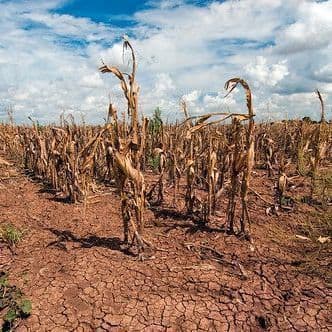
Lake Powell recently dropped to a historic low, slashing hydropower and the flow of water downstream. As drought deepens, groups are pushing to drain the lake entirely to reveal its long-submerged rock arches and spires and allow wildlife along the Colorado River to recover.

Desperate measures: Advocates weigh draining Lake Powell to fill Colorado River
Desperate measures: Advocates weigh draining Lake Powell to fill Colorado River Zachary Whalen Fri, 10/30/2026 - 06:00 Primary Image Primary Image Caption The Southwestern United States is battling a 27 year drought, the longest in 1,200 years. As the Southwestern United States battles a 27-year drought — the longest in 1,200 years — and the Colorado River gets drier and drier, some advocates are pushing for a drastic action: draining Lake Pow…

As Lake Powell Hits Record Lows, Pressure Builds to Drain It and Restore Glen Canyon
Lake Powell dropped to a historic low last month, falling below 150 feet above dead pool, the point at which water can no longer pass through the Glen Canyon Dam’s bypass tubes to reach Lake Mead 300 miles downstream. The decline, driven by a 27-year drought that scientists call the longest dry stretch in the Southwest in 1,200 years, has cut hydropower generation, reduced water deliveries to Arizona, California and Nevada, and forced the Bureau…
Coverage Details
Bias Distribution
- 78% of the sources are Center


Factuality
To view factuality data please Upgrade to Premium