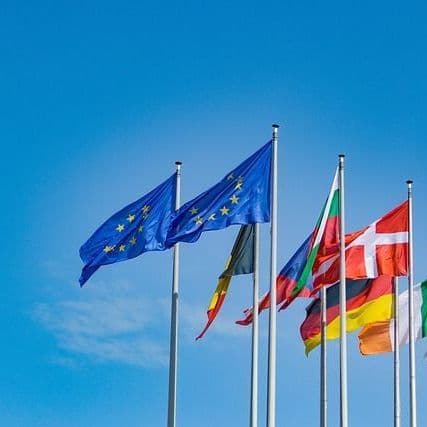
Iceland Votes to Reject the EU as Fisheries Worries Prevail
The no camp won 52.8% as voters cited fishing rights and sovereignty concerns, while supporters argued EU ties could aid trade and security.
- On Sunday, Icelandic voters rejected resuming negotiations to join the European Union, with sovereignty concerns over natural resources overshadowing arguments for European integration.
- Opponents fanned fears regarding the eroding sovereignty of the North Atlantic nation of 400,000, focusing on protecting authority over the key fishing and agriculture sectors.
- Results showed the "no" camp scored 52.8% support against 47.2% for the "yes" side, according to RUV, with voter turnout reaching 82.5%, the highest since 2009.
- Prime Minister Kristr told reporters the government plans to respect the referendum result and will not continue negotiations during this administration's term.
- French leader Marine Le Pen hailed the result as "a clear setback for Brussels," while the European Commission had hoped to build momentum for broader expansion into Montenegro and Ukraine.
26 Articles
26 Articles

Iceland votes 'no' to resuming EU talks
Iceland voted 'No' to resuming membership negotiations with the European Union, final referendum results showed Sunday, dealing a blow to Brussels which had been keen to welcome a new wealthy member. In a vote held Saturday, 52.8 percent of Icelanders rejected the resumption of EU entry talks suspended 13 years ago, while 47.2 percent voted 'Yes', according to the official tally published by RUV, the public broadcaster. Social Democratic Prime M…

"The EU fully respects the democratic choice of the Icelandic people in the referendum," emphasizes Antonio Costa, expressing the desire to strengthen relations with Iceland. The post EU: Continue strengthening relations with Iceland appeared first on in.gr.


Iceland rejects bid to open EU talks
Icelanders narrowly turned down a reopening of membership talks with the European Union in a divisive referendum where concerns over keeping control of the island nation’s natural resources overshadowed the geopolitical credibility of the bloc.

Coverage Details
Bias Distribution
- 55% of the sources are Center


Factuality
To view factuality data please Upgrade to Premium