Iran War Releases Toxic Pollution Threatening Health and Environment
Iran
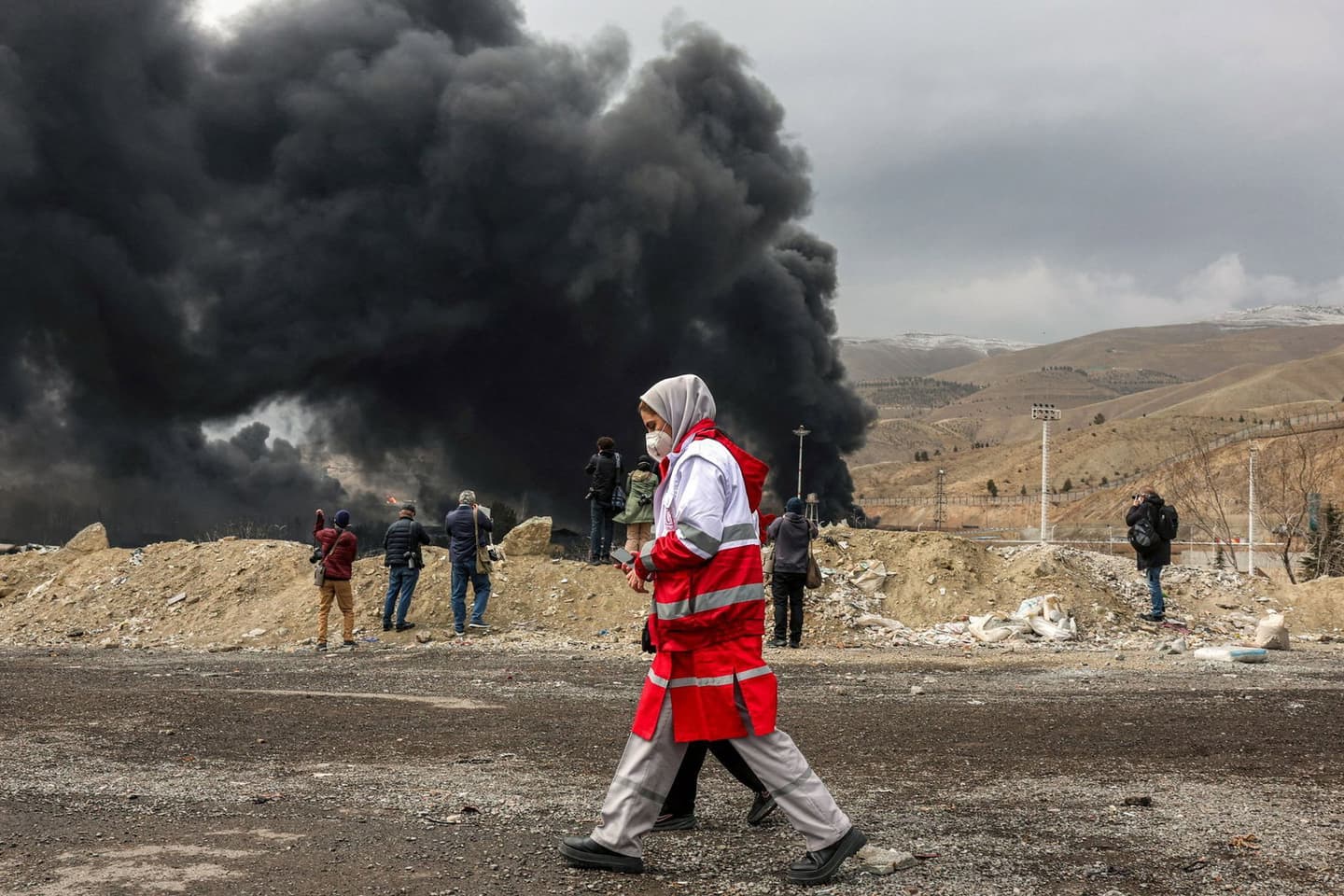
AFP via Getty Images/Getty




What Happened
Why It Matters
What Happened
Why It Matters
Where Right Sources Focus
- Water Infrastructure Attacks: Conservative outlets emphasize deliberate targeting of critical desalination plants, highlighting regional dependency. They cite US intelligence reports indicating strikes could cause national water crises lasting months.
- Invisible Health Threats: Right media extensively cover how war unleashes a toxic mix of chemicals and heavy metals, citing experts who warn of long-term health risks like lung and heart problems from microscopic soot and contaminated soil.
Where Left Sources Focus
- War's Climate Footprint: Progressive and center outlets highlight the war's staggering climate footprint, noting a new analysis found the first 14 days of conflict released more CO2 than Iceland's annual output, draining the global carbon budget.
- Widespread Toxic Pollution: Left-leaning sources describe how military strikes unleash toxic chemicals and heavy metals, causing immediate health issues. They note black rain fell near Tehran, posing long-term cancer risks and lung problems.
What's Largely Absent from Each Side
- Right sources rarely mention: Right sources largely omit detailed quantification of the war's massive greenhouse gas emissions, with left and center outlets emphasizing how the conflict released more CO2 than Iceland's annual output.
- Left sources rarely mention: Left sources rarely mention specific accusations and details of deliberate military targeting of desalination plants, while right outlets highlight this strategic vulnerability of water infrastructure.
Rare Agreement
- Widespread Pollution Risks: Both sides acknowledge the war generates widespread toxic air pollution, with black rain falling near Tehran. Sources agree this pollution poses significant health risks like lung and heart problems.
Timeline
March 26, 2026
Documentation shows wide damage: By late March, monitoring groups had recorded more than 400 environmentally concerning incidents tied to the war, with experts warning of long-term contamination of water, soil and ecosystems, damage to desalination plants, and environmental harms that could take decades to address.
March 21, 2026
Emissions study published: A Climate and Community Institute analysis published March 21, 2026 found that between Feb. 28 and March 14 the conflict released almost 5.6 million tons of CO2-equivalent greenhouse gases, largely from destroyed buildings and blown-up oil infrastructure. The study quantified major sources of emissions and estimated millions of barrels of oil were destroyed.
March 13, 2026
Health alerts and contamination reports: In the immediate aftermath of the strikes, Iran's environmental agency and relief organizations warned residents to stay indoors as people reported difficulty breathing, headaches and eye irritation, and the WHO and local officials warned of risks to air, water and soil.
Summaries by Ground AI
Sources
See All 56Most Written About
The stories getting the most coverage from the last 24 hours







Timeline
March 26, 2026
Documentation shows wide damage: By late March, monitoring groups had recorded more than 400 environmentally concerning incidents tied to the war, with experts warning of long-term contamination of water, soil and ecosystems, damage to desalination plants, and environmental harms that could take decades to address.
March 21, 2026
Emissions study published: A Climate and Community Institute analysis published March 21, 2026 found that between Feb. 28 and March 14 the conflict released almost 5.6 million tons of CO2-equivalent greenhouse gases, largely from destroyed buildings and blown-up oil infrastructure. The study quantified major sources of emissions and estimated millions of barrels of oil were destroyed.
March 13, 2026
Health alerts and contamination reports: In the immediate aftermath of the strikes, Iran's environmental agency and relief organizations warned residents to stay indoors as people reported difficulty breathing, headaches and eye irritation, and the WHO and local officials warned of risks to air, water and soil.


