UNSW Review Says Nicotine Vapes Likely Cause Lung and Oral Cancer
Australia
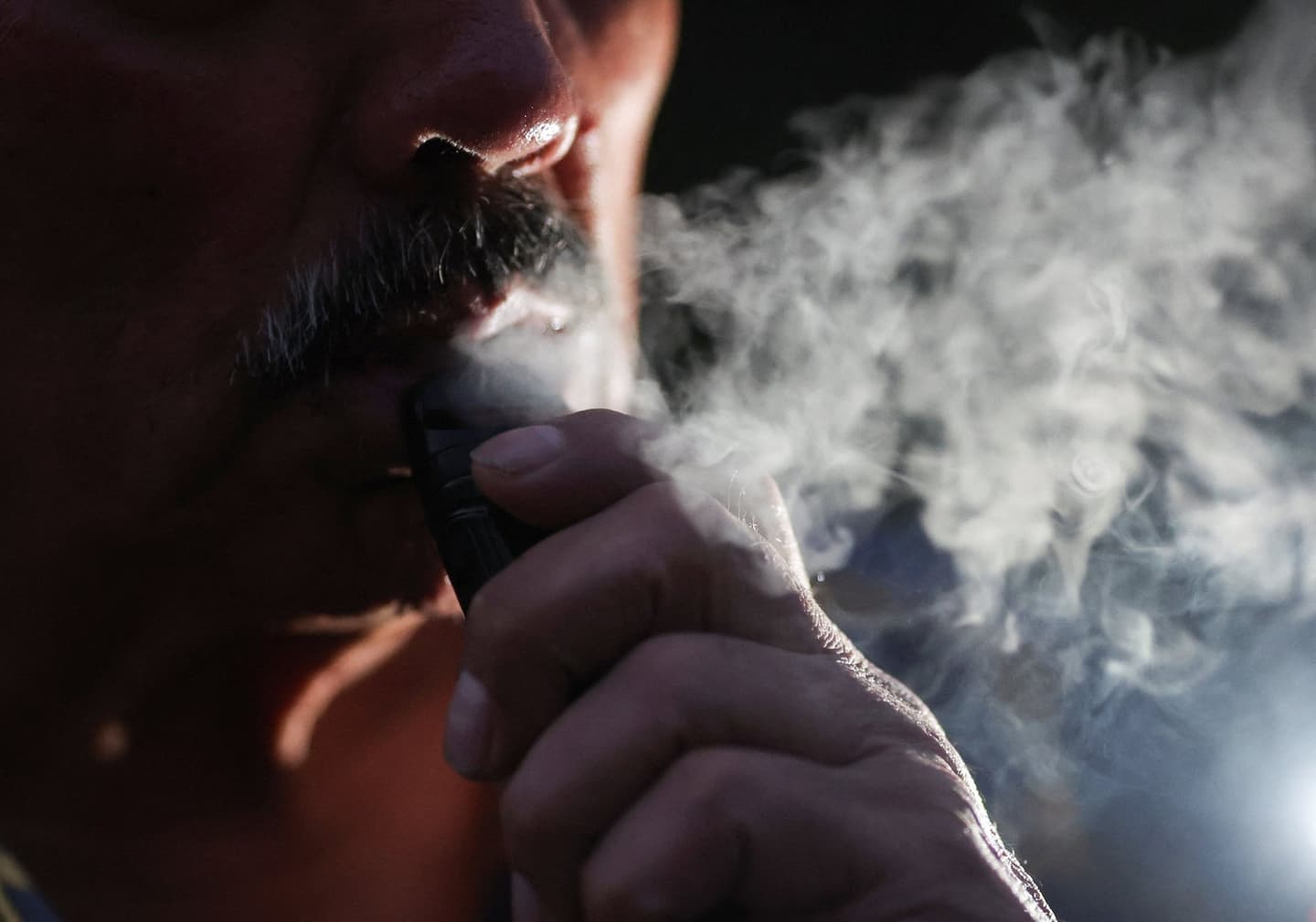
Henry Romero/Reuters
Source Analysis




What Happened
Why It Matters
What Happened
Why It Matters
Where Left Sources Focus
- Direct Cancer Causation: Progressive outlets emphasize a UNSW review's finding that nicotine vapes likely cause lung and oral cancers, citing DNA damage, pre-carcinogenic changes, and mouse studies showing e-cigarette aerosols cause lung tumors, according to lead author Bernard Stewart.
- Regulation & Youth Addiction: Left-leaning sources highlight the failure of current legislation to curb black market vapes, noting their ubiquitous availability despite a 2024 import ban. Experts call for stronger enforcement and public awareness to address stubborn youth vaping rates, citing Cancer Institute NSW data.
Where Center Sources Focus
- Cessation Aid Nuance: Center sources acknowledge vaping as a smoking cessation aid, potentially more effective than patches. However, they emphasize the significant risk of 'dual-use limbo,' which increases lung cancer risk fourfold, and warn non-smokers against vaping, citing UNSW epidemiologists.
- Quantifying Risk Challenges: Center media highlight that definitive proof of vaping's cancer link will take decades, given the devices' recency. Experts, including UNSW's Bernard Stewart, urge proactive regulation now, stating that current biological and experimental evidence warrants immediate action, rather than repeating past delays.
What's Largely Absent from Each Side
- Left sources rarely mention: Left sources rarely mention vaping's effectiveness as a smoking cessation tool or its comparative safety against traditional cigarettes. Center outlets, however, frequently detail how vaping is considered less harmful for smokers by public health bodies, citing Cancer Research UK.
- Center sources rarely mention: Center coverage largely omits specific details about carcinogenic chemicals identified in vape aerosols, such as metals and volatile organic compounds, and their direct mechanisms of DNA damage. Left outlets feature this prominently, citing blood and urine analyses from vapers.
Rare Agreement
- Cancer Link & Urgency: Despite divergent coverage, sources across the spectrum acknowledge that nicotine vapes likely cause lung and oral cancers, based on a comprehensive review of over 100 studies. Both sides agree that action is needed now, despite definitive proof taking decades.
Timeline
March 30, 2026
Calls for action and research: Following the review, researchers and public-health experts urged a precautionary response: fund large longitudinal studies, crack down on black-market vape supply, and consider tighter regulation, noting long-term definitive proof will take decades but current evidence justifies proactive measures.
March 30, 2026
UNSW review published: likely carcinogenic: Published in the journal Carcinogenesis, the UNSW-led review concluded nicotine-based e-cigarettes are 'likely to be carcinogenic to humans', linking vaping to lung and oral cancer based on more than 100 studies, mice experiments showing lung tumours, biomarker changes, and case reports. The authors emphasized the evidence was qualitative and not yet sufficient to quantify exact risk.
June 30, 2025
Comprehensive evidence review compiled: Researchers assembled a wide range of studies published between 2017 and mid-2025 — including clinical monitoring, animal experiments, biomarker analyses and chemical assessments — to evaluate whether e-cigarettes could cause cancer in their own right. The review prioritized mechanistic and shorter-term evidence because definitive long-term human outcome data were not yet available.
Summary by Ground AI
Sources
See All 76A varied selection of sources chosen by Ground to reflect the diversity of this story’s coverage.
Most Written About
The stories getting the most coverage from the last 24 hours



Source Analysis
Timeline
March 30, 2026
Calls for action and research: Following the review, researchers and public-health experts urged a precautionary response: fund large longitudinal studies, crack down on black-market vape supply, and consider tighter regulation, noting long-term definitive proof will take decades but current evidence justifies proactive measures.
March 30, 2026
UNSW review published: likely carcinogenic: Published in the journal Carcinogenesis, the UNSW-led review concluded nicotine-based e-cigarettes are 'likely to be carcinogenic to humans', linking vaping to lung and oral cancer based on more than 100 studies, mice experiments showing lung tumours, biomarker changes, and case reports. The authors emphasized the evidence was qualitative and not yet sufficient to quantify exact risk.
June 30, 2025
Comprehensive evidence review compiled: Researchers assembled a wide range of studies published between 2017 and mid-2025 — including clinical monitoring, animal experiments, biomarker analyses and chemical assessments — to evaluate whether e-cigarettes could cause cancer in their own right. The review prioritized mechanistic and shorter-term evidence because definitive long-term human outcome data were not yet available.


