Google Rolls Back Google Earth AI Image Tool After Policy Breaches
United States
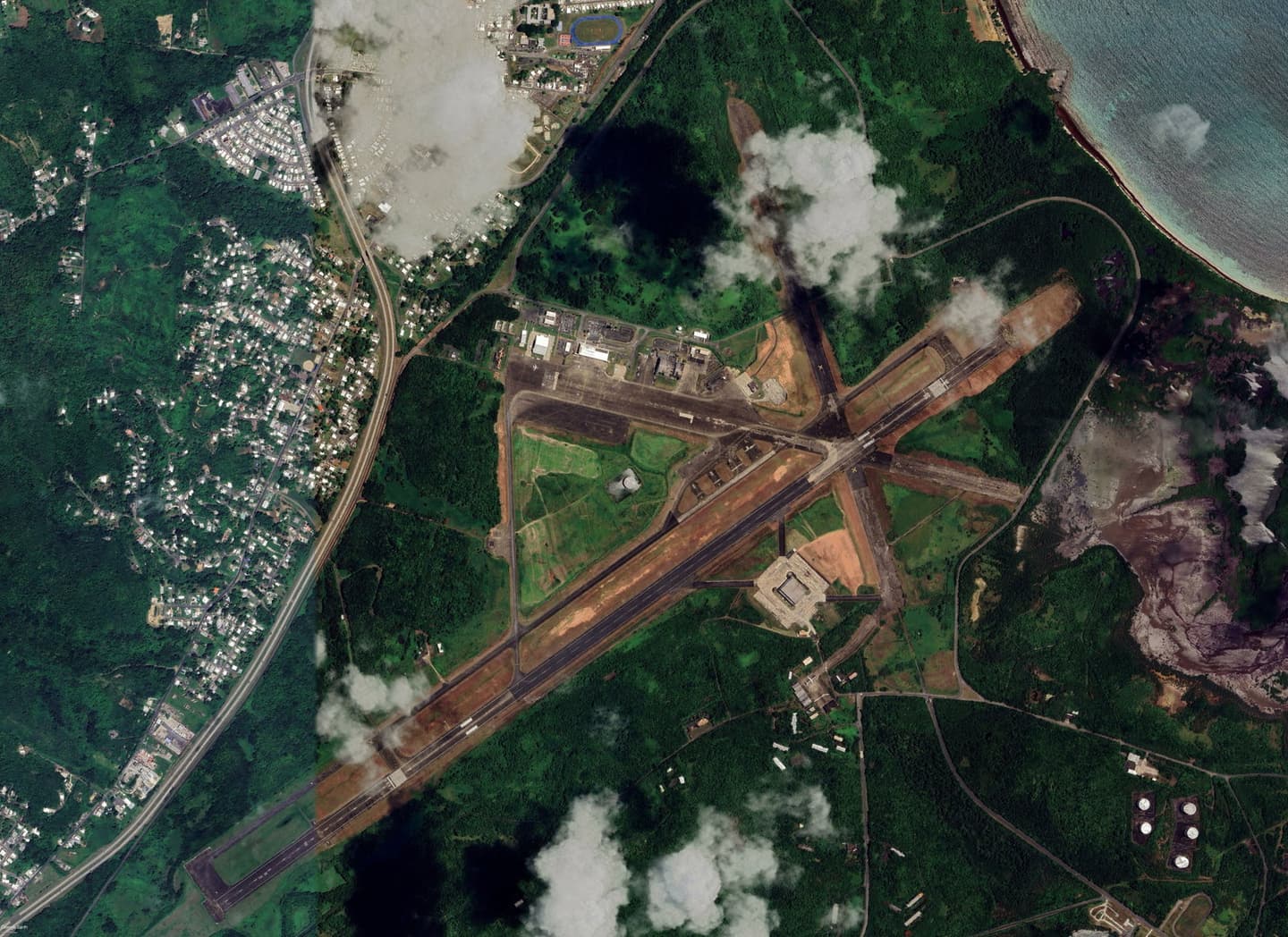
Google Earth/Airbus/Reuters
Source Analysis




What Happened
What Happened
Where Sources Agree
- arrows_inputRapid Tool Rollback: Various sources establish that Google launched its Nano Banana 2-powered AI image generation feature on July 30, only to withdraw the tool by July 31 following widespread criticism regarding the potential for creating misleading or fake satellite imagery, according to company announcements.
- arrows_inputRapid AI Feature Rollback: Most accounts emphasize that Google removed its new AI image-generation feature from Google Earth within 24 hours of its July 31 launch, citing policy violations regarding user-generated content, according to Google statements.
- arrows_inputCriticism of Satellite AI Tool: Most outlets report the new Google Earth AI tool was criticized as irresponsible, with experts warning its ability to generate realistic satellite imagery could facilitate deepfake proliferation and undermine the credibility of geospatial data as a verification resource, according to disinformation researchers.
Where Sources Disagree
- arrows_outputEffectiveness of AI Safeguards: Google maintains that its AI tool includes effective safeguards to prevent harmful content generation and uses SynthID watermarks to ensure images are flagged. However, researchers report that these protections are easily bypassed, noting that their test prompts for fake disasters were never refused and that watermarks offer insufficient deterrence against misinformation.
- arrows_outputAI Tool Purpose: Google promoted the new AI feature as a creative tool for visualization, citing potential uses like reimagining historical sites. However, critics characterized the update as an irresponsible vehicle for generating misinformation, warning that it allows users to easily fabricate realistic disasters or military events on verifiable satellite maps.
Timeline
July 31, 2026
Backlash raises trust concerns: Researchers, OSINT groups and analysts warned the integration could erode trust in satellite imagery and enable disinformation even though Google said generated images include an invisible SynthID watermark and that it prevents image creation on harmful topics; groups like GeoConfirmed urged Google to reverse or harden the feature.
July 31, 2026
Google pulls feature within day: Within about 24 hours Google announced on July 31, 2026 it was rolling back the 'create image' capability, saying people had shared generated imagery that appeared to violate policies and that it would pause the feature while implementing stronger guardrails; the button was removed from Google Earth.
July 31, 2026
AI images spread and tested: AFP and other testers used the tool to fabricate images that could have serious global consequences (an explosion in Paris, a nuclear site in Iran, floods across Bangladesh and a 9/11‑style attack), while examples shared online amassed large audiences — at least one fake accumulated hundreds of thousands to millions of views.
Summary by Ground AI
Sources
See All 174A varied selection of sources chosen by Ground to reflect the diversity of this story’s coverage.
Most Written About
The stories getting the most coverage from the last 24 hours



Source Analysis
Timeline
July 31, 2026
Backlash raises trust concerns: Researchers, OSINT groups and analysts warned the integration could erode trust in satellite imagery and enable disinformation even though Google said generated images include an invisible SynthID watermark and that it prevents image creation on harmful topics; groups like GeoConfirmed urged Google to reverse or harden the feature.
July 31, 2026
Google pulls feature within day: Within about 24 hours Google announced on July 31, 2026 it was rolling back the 'create image' capability, saying people had shared generated imagery that appeared to violate policies and that it would pause the feature while implementing stronger guardrails; the button was removed from Google Earth.
July 31, 2026
AI images spread and tested: AFP and other testers used the tool to fabricate images that could have serious global consequences (an explosion in Paris, a nuclear site in Iran, floods across Bangladesh and a 9/11‑style attack), while examples shared online amassed large audiences — at least one fake accumulated hundreds of thousands to millions of views.


